Fault tolerant PM motor
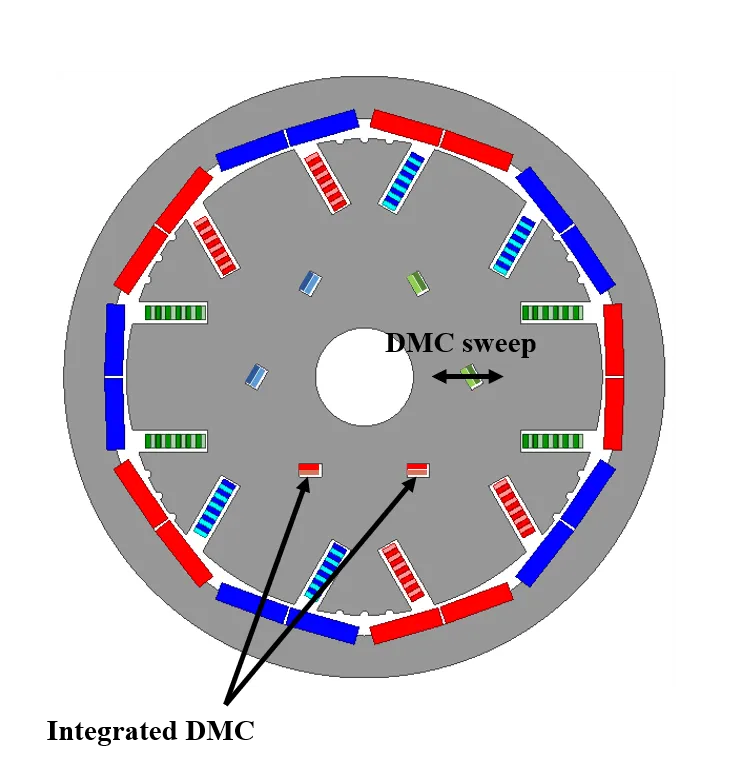
A passive way to limit short circuit fault current in a permanent magnet motor, using chokes integrated into the motor.
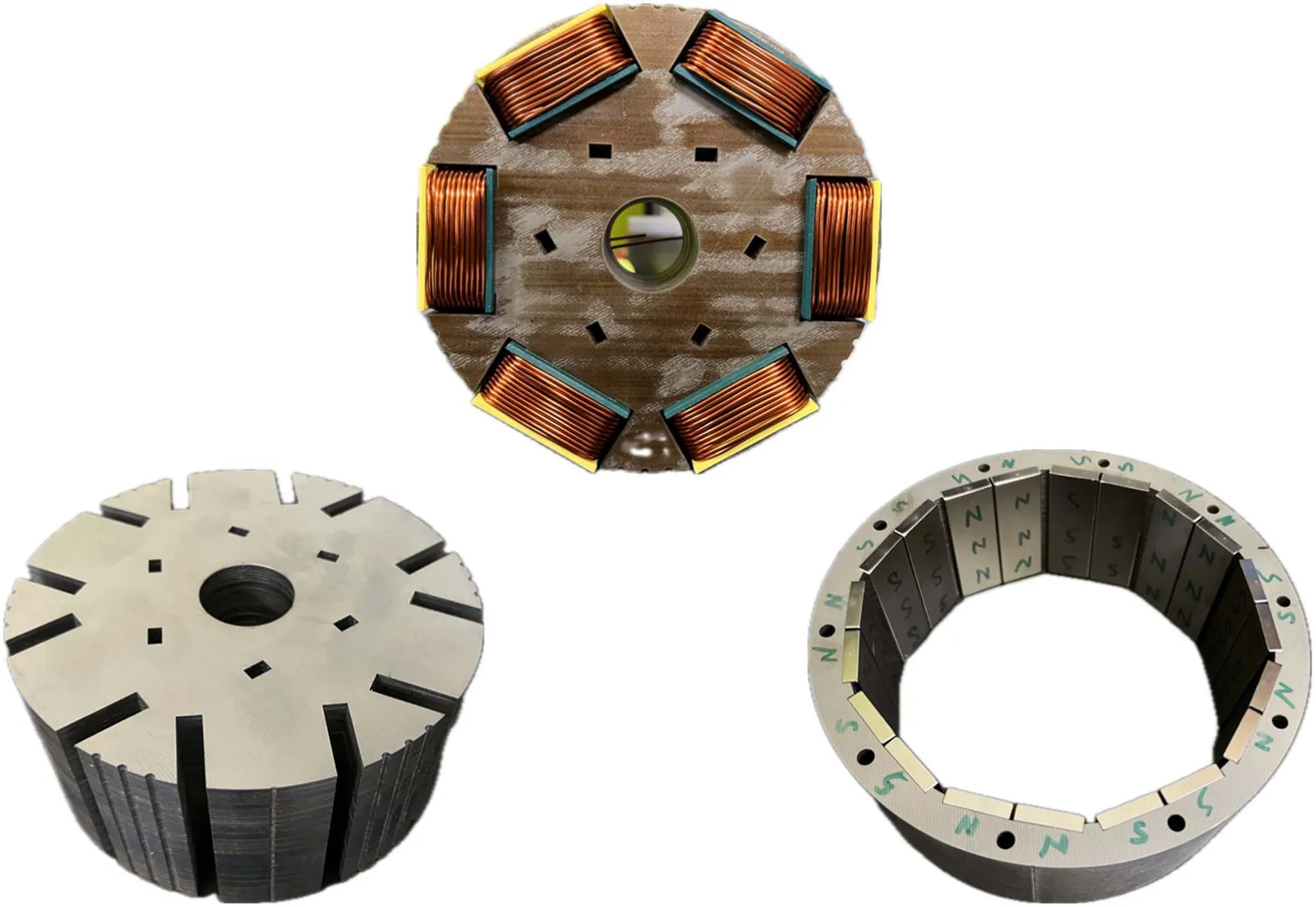
A short circuit in the windings of a permanent magnet motor (called a fault) can be very severe and can cripple the motor’s performance. In applications like aerospace or electric vehicles, continued operation in the event of a fault is critical. This project designed, built and tested a passive method to reduce the effects of a short circuit fault.
Work
- Built a detailed electromagnetic FEA model in Ansys Maxwell and used it to optimize the angle of the magnets on the rotor and the placement of the integrated chokes
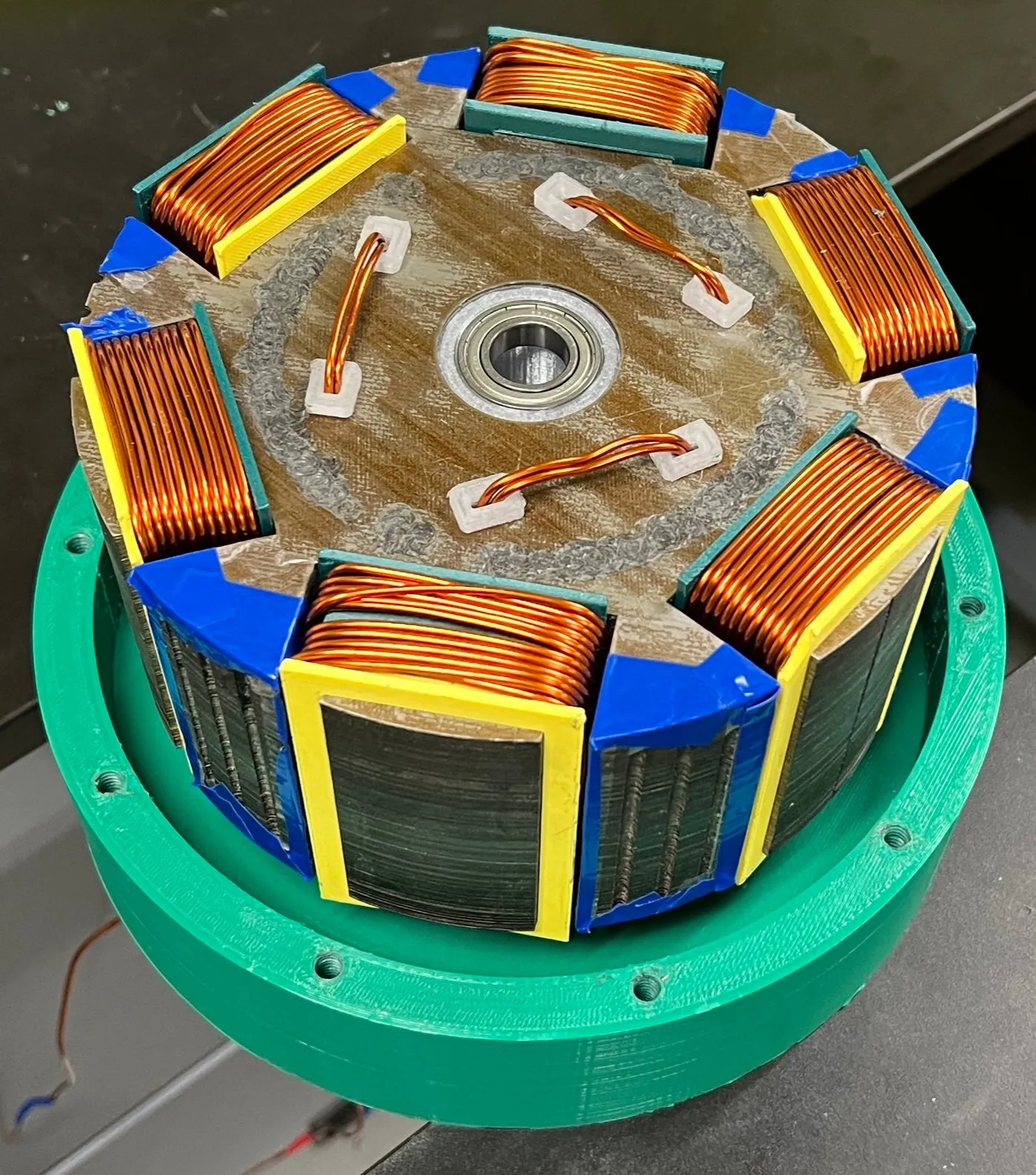
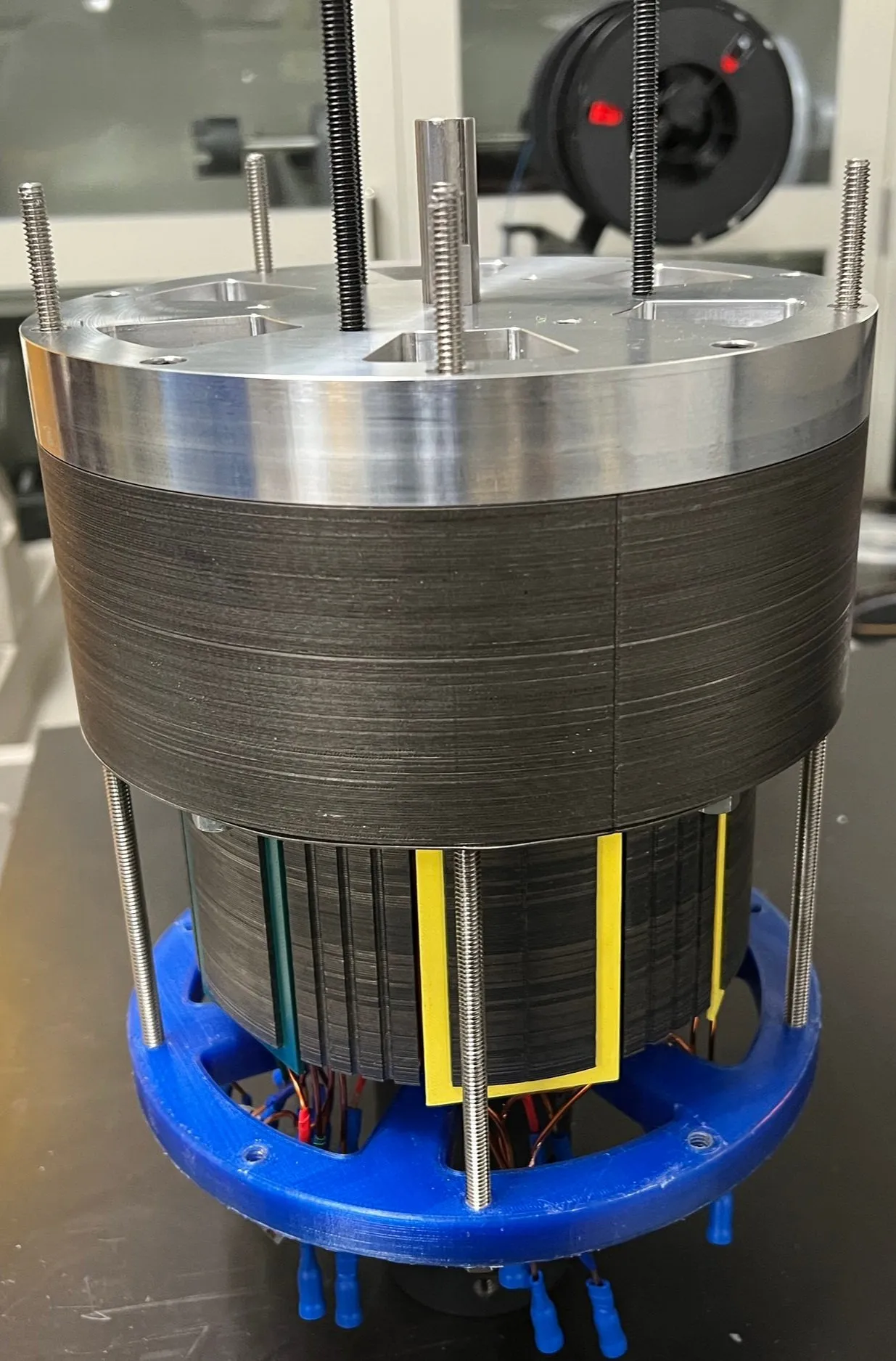
- Did the mechanical design, with 3D printed parts where possible and drawings for the machined parts
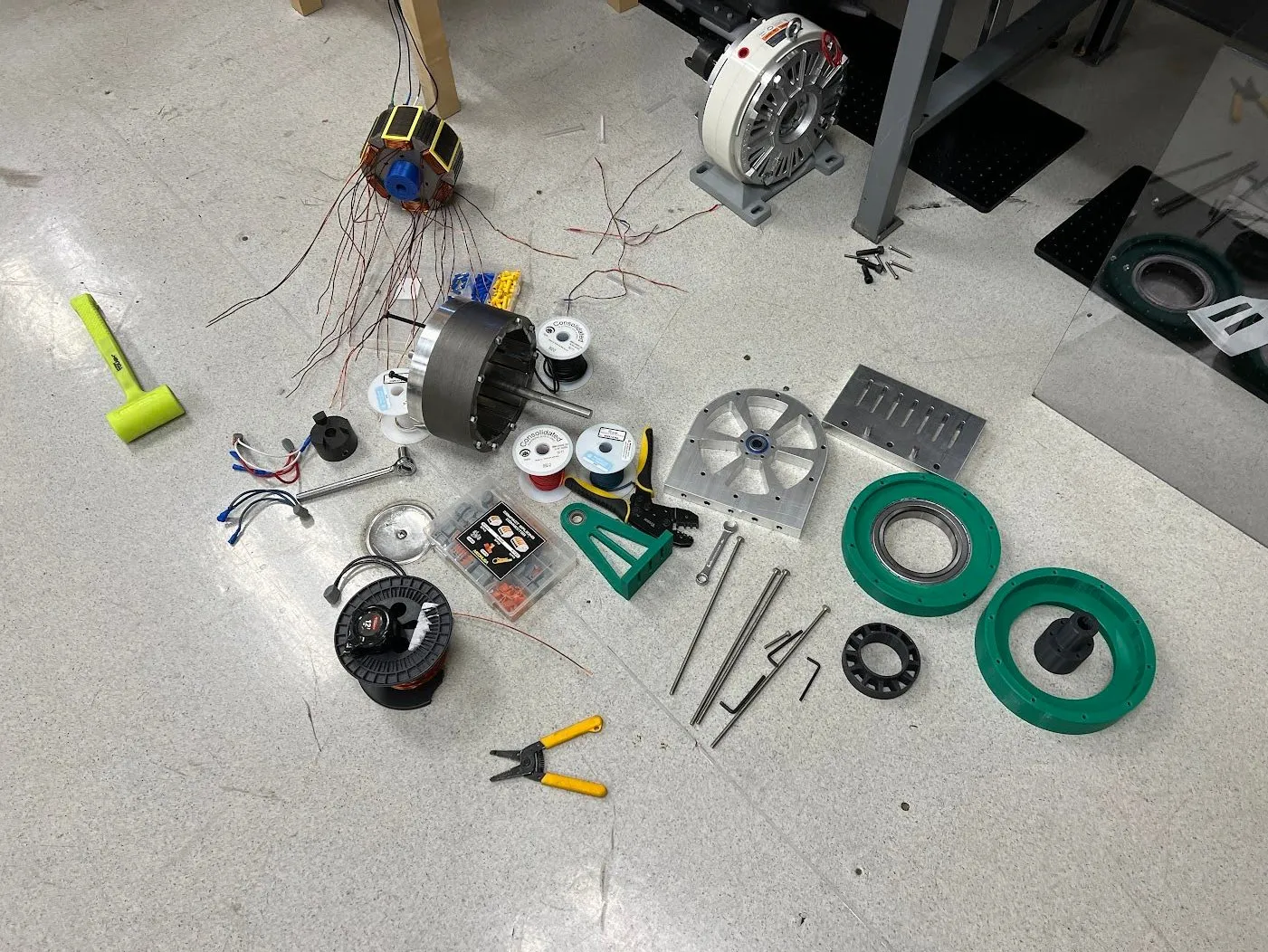
- Designed a feasible winding and the jigs to wind it
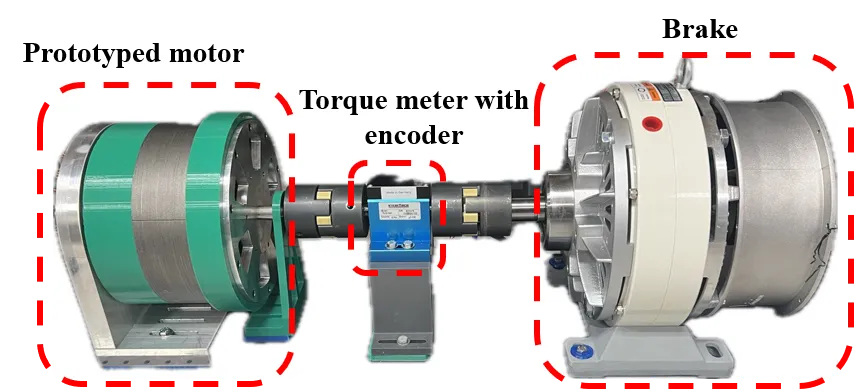
- Characterized the motor on a dynamometer in healthy and faulted conditions
Challenges
The mechanical design was difficult because of the weight of the steel parts, and outer rotor topologies are harder to design by nature. The windings were difficult to do by hand, and the large magnetic forces made assembly difficult.
Results
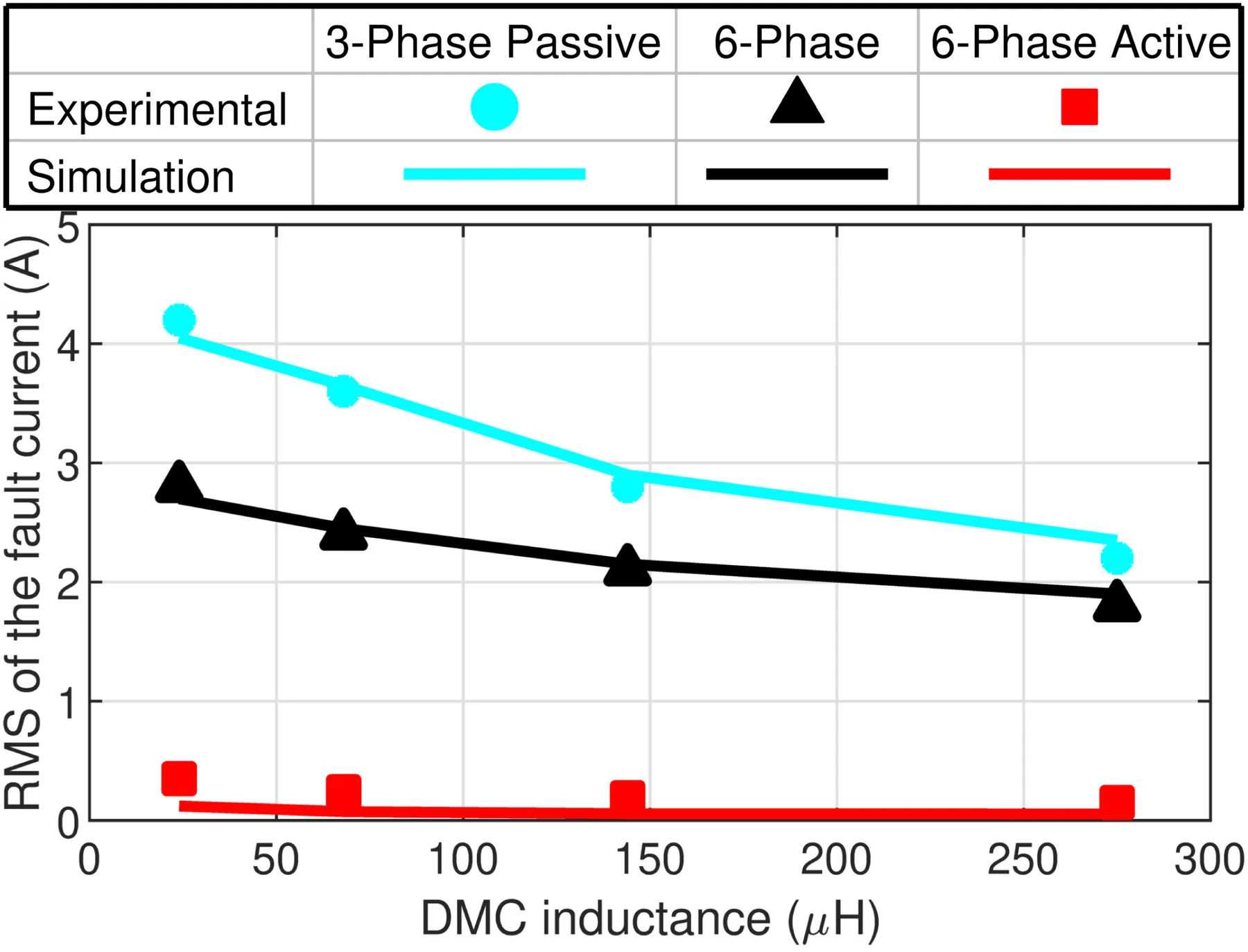
- Fault current was reduced by up to 96% compared to traditional windings
- The new winding configuration increased copper losses by less than 1%
- The FEA model was validated against the prototype results
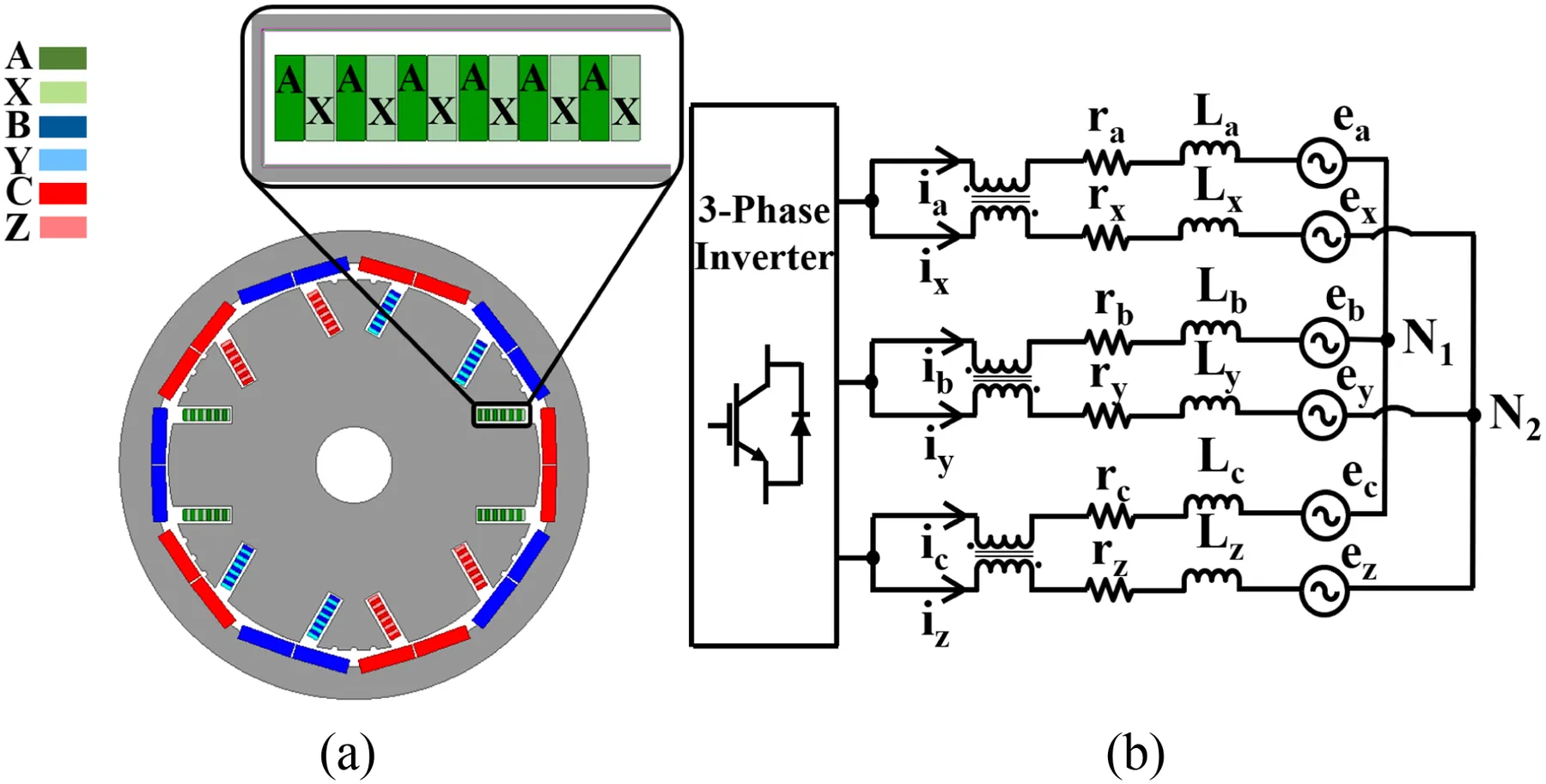
- A later active method, which adds a six-phase inverter and a fault current control loop, reduced the fault current to less than 4% of the rated current, compared to 42% for the passive method with a three-phase inverter (Fig. 7)
Papers
- Active Fault Current Mitigation with Multi-Phase Inverter and Windings for Resilience against Short-Circuit Faults between Adjacent TurnsIEEE Trans. Energy Convers., 2025IEEE XplorePDF
- An Outer Rotor Surface PM Motor with Integrated Chokes for Fault-Tolerant Operation in the Presence of Short-Circuit Faults between Adjacent TurnsIEEE Trans. Transport. Electrific., 2025IEEE XplorePDF
- A Passive Inter Turn Short Circuit Fault Mitigation Technique for Electric MachinesIEEE Trans. Energy Convers., 2023IEEE XplorePDF
Some figures on this page are from these papers. © IEEE.